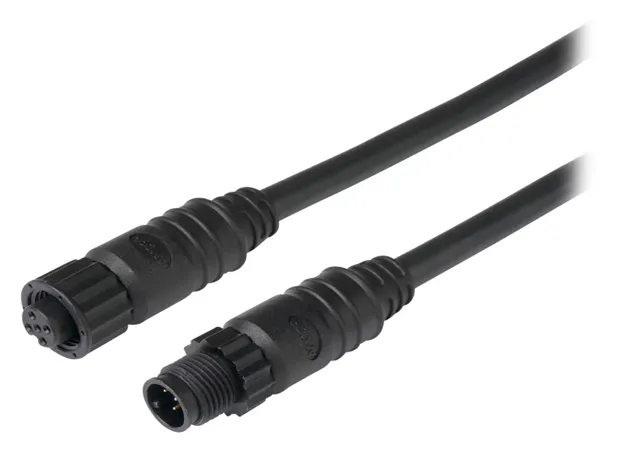
A key element of responsible boating is good visibility, especially when the water gets darker or suddenly reduces visibility. Navigation lights are lights used to assist in navigation for others on the water. Selecting a good quality piece of equipment isn’t just about picking out a product from a catalog and choosing the brightest lights. Before choosing a vessel, they should think about its size, where it should go, how easily they can see it, its toughness, its power needs and the requirements for it.
Understand Your Lighting Needs
The first thought to consider is where and how you typically use your boat. Daytime recreational trips may require different lighting needs as compared to evening trips or longer trips where visibility may also change throughout the trip.
The size and design of the boat is also important. The various combinations and positions of lights on different vessels may differ, so it is advantageous to know the manufacturer’s recommendations and boating requirements prior to buying something.
Think about the locations where the lights will be installed. A good setup would be a clear line of sight with no equipment, structures or other features of the vessel obstructing your view.
Compare Marine Navigation Lights
When deciding which marine navigation lights to use, don’t judge them by their intensity. Areas of visibility, beam coverage, energy usage, construction quality and resistance to outdoor conditions can all affect long-term use.
While the LED technology itself may not necessarily be the best, it can offer benefits like efficiency in power usage, and longevity in service. Be careful not to take the LED option for granted, as they may not all perform the same.
Another factor is water resistance. Equipment mounted on a boat gets wet, splashed and affected by weather conditions; therefore, it should be appropriately constructed for the environment.
Consider Placement and Visibility
A good light will not function well if not set up well. The light should be placed so that it will not be obstructed from the intended lighting directions.
Check the mounting options prior to installation and think about any other equipment that may be affecting visibility. The job should also provide easy access for the purpose of inspection as well as maintenance.
Please read the manufacturer’s instructions for installation carefully. When in doubt about specific requirements for your boat, ask advice from professional boaters or boating authorities.
Look Beyond Lighting Equipment
When heading out on a regular basis, boaters may need more than lighting to prepare their boats. One of the important factors you can take into account when you’re shopping for boat accessories for sale is the way the product would serve a useful purpose, rather than buying something because it sounds like it’s convenient.
Consider peripherals which assist in navigation, organization, safety, storage, and/or routine maintenance. The choice is dependent on the boat, the water type you are using and how often you travel.
Do not stuff a small storage area with equipment that’s seldom used. Less is more in terms of practical extras to maintain and get to when traveling.
Check Power Requirements
When choosing electrical equipment, the power usage must be taken into account. A lighting system should be compatible with the boat’s electrical system, and should not impose unnecessary demands on it.
Before connecting new equipment, investigate the voltage requirements, wiring details and installation procedures. Compatibility issues might be sources of unwarranted maintenance problems later.
Also, it’s a good idea to check connections on a regular basis. The performance may be affected by corrosion, loose wiring or damage to parts, especially when equipment is regularly exposed to moisture.
Think About Durability
Outdoor products do not have to endure the conditions and stresses of marine equipment. Consequently, equipment can be impacted over time by water exposure, sunlight, temperature changes, vibration and repeated handling.
Check for products that have been built for marine use and manufacturer’s specifications. Cleaning and inspecting regularly can also help to identify issues early on before they become more problematic to solve.
Depending on the type of equipment used, it may be beneficial to have spare bulbs, or replacement components on hand for some lighting situations.
Conclusion
Navigation equipment is just one aspect of boating safety. Before setting sail, check the lights for proper operation and ensure the lights are free of obstruction before setting sail.
An actual lighting system should be appropriate for the vessel, the operating environment and the requirements. When choosing equipment, consider the installation, visibility, durability and power requirements to make the decision much easier. Users can also check out and explore products that may be ideal for their future hunting trips at USAHunterShop.com while shopping for other outdoor and marine gear.