Traveling allows people to explore new places, experience different cultures, and create unforgettable memories. However, managing expenses effectively is one of the biggest challenges faced by travelers. Without proper planning, transportation costs, accommodation, food expenses, and unexpected payments can quickly increase the overall travel budget.
Learning how to manage travel expenses helps travelers enjoy their trips without unnecessary financial stress. Smart budgeting, careful planning, and making informed decisions can reduce costs while still allowing travelers to have meaningful experiences.
A successful trip does not always require spending more money. With the right approach, travelers can explore destinations comfortably while maintaining control over their finances.
Importance of Planning a Travel Budget
Creating a travel budget is the first step toward managing expenses effectively. A budget helps travelers understand how much money they can spend and how to distribute it across different categories.
Before starting a trip, travelers should estimate major expenses such as transportation, accommodation, meals, activities, shopping, and emergency costs.
A detailed budget provides a clear financial plan and reduces the chances of overspending. It also helps travelers prioritize important experiences and avoid unnecessary expenses.
A well-prepared budget creates confidence and allows travelers to enjoy their journey without constantly worrying about money.
Research Destination Costs Before Traveling
Understanding the cost of a destination is essential for effective travel planning. Different locations have different price levels for accommodation, food, transportation, and activities.
Researching average costs before traveling helps create a realistic budget. Travelers can compare options, identify affordable choices, and avoid unexpected expenses.
Information about local transportation, popular attractions, food prices, and seasonal changes can help travelers make better financial decisions.
Proper research allows travelers to prepare financially and choose options that match their budget.
Choose Affordable Transportation Options
Transportation is often one of the largest travel expenses. Choosing the right transportation method can significantly reduce overall costs.
Travelers can compare different options such as public transportation, shared rides, trains, buses, and budget airlines depending on the destination.
Booking transportation in advance may help find better prices, especially during busy travel seasons.
Walking or using local transportation within a destination can also reduce costs while providing a more authentic travel experience.
Smart transportation choices help travelers save money without limiting exploration.
Find Budget-Friendly Accommodation
Accommodation costs can greatly influence a travel budget. Choosing affordable lodging options helps travelers manage expenses more effectively.
Budget hotels, guesthouses, hostels, and vacation rentals can provide comfortable stays at lower costs compared to luxury accommodations.
Travelers should consider location, safety, facilities, and reviews before selecting accommodation.
Staying slightly away from expensive tourist areas can sometimes reduce costs while still providing convenient access to attractions.
Finding the right balance between comfort and affordability is important for managing travel expenses.
Save Money on Food Expenses
Food is an important part of travel experiences, but dining expenses can quickly increase if not planned carefully.
Trying local restaurants, street food, and affordable dining options can help reduce food costs while allowing travelers to experience local flavors.
Preparing simple meals when possible, carrying snacks, and avoiding expensive tourist areas for every meal can also help save money.
Travelers should maintain a balance between enjoying local cuisine and staying within their budget.
Smart food choices allow travelers to experience different cultures without overspending.
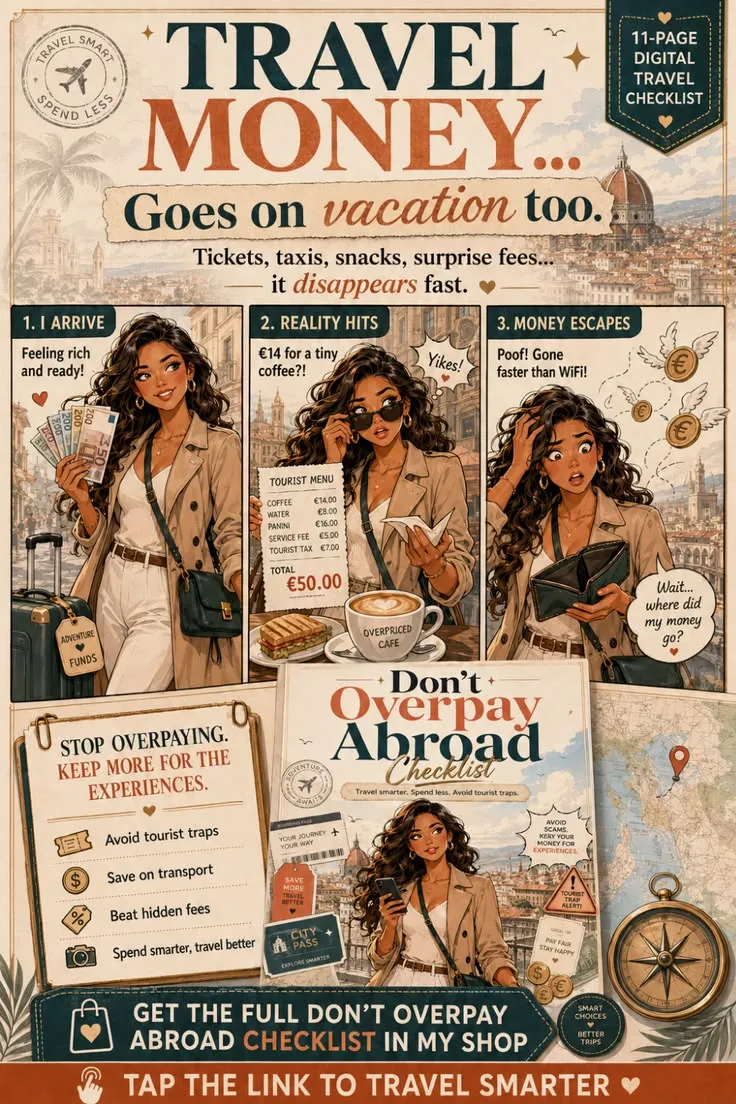
Plan Activities and Attractions Wisely
Travel activities create memorable experiences, but entrance fees and tours can increase expenses.
Before visiting a destination, travelers should research attractions and identify which experiences are most important to them.
Many destinations offer free or low-cost activities such as parks, walking tours, cultural events, and public attractions.
Planning activities in advance helps avoid unnecessary spending and allows travelers to manage their time better.
Spending money on meaningful experiences rather than random purchases creates more valuable travel memories.
Avoid Unnecessary Travel Expenses
Small expenses can add up quickly during a trip. Being aware of unnecessary spending helps travelers maintain their budget.
Common examples include frequent shopping, expensive souvenirs, unnecessary upgrades, and convenience purchases.
Travelers should consider whether a purchase adds real value to their experience before spending money.
Keeping track of daily expenses helps identify areas where money is being spent unnecessarily.
Simple spending awareness can make a significant difference in overall travel costs.
Use Travel Apps and Digital Tools
Technology has made managing travel expenses easier. Many digital tools help travelers track spending, compare prices, and organize trip details.
Expense tracking applications allow travelers to record daily payments and monitor their budget.
Travel planning tools can help compare accommodation prices, transportation options, and activity costs.
Using digital resources helps travelers make informed decisions and avoid financial surprises.
Technology can become a useful partner in maintaining travel budgets.
Keep an Emergency Fund for Travel
Unexpected expenses can occur during any journey. Having an emergency fund provides financial security and reduces stress.
Unexpected situations may include medical needs, transportation changes, lost items, or sudden accommodation requirements.
Travelers should keep additional funds separate from their main budget to handle emergencies.
An emergency reserve creates flexibility and ensures that unexpected situations do not completely disrupt travel plans.
Travel During the Right Season
Travel timing can have a major impact on expenses. Peak travel seasons often bring higher prices for flights, accommodation, and activities.
Traveling during less crowded periods may help reduce costs while providing a more relaxed experience.
Off-season travel can offer better deals and fewer crowds at popular destinations.
However, travelers should consider weather conditions and availability before choosing travel dates.
Selecting the right time can help achieve better value for money.
Use Money-Saving Travel Habits
Developing smart travel habits helps control expenses throughout the journey.
Simple practices such as comparing prices, planning purchases, carrying reusable items, and avoiding unnecessary fees can improve financial management.
Travelers can also save by booking services carefully, avoiding last-minute decisions, and researching free opportunities.
Small savings from multiple areas can create significant budget benefits over time.
Consistent money-saving habits make travel more affordable and enjoyable.
Importance of Tracking Travel Expenses
Tracking expenses during travel helps maintain financial control.
Writing down daily spending allows travelers to understand where their money is going and make adjustments when needed.
Without tracking, small purchases may go unnoticed and create budget problems.
Expense monitoring also helps travelers evaluate their spending patterns and improve future travel planning.
Keeping financial records creates better awareness and encourages responsible spending.
Balancing Savings and Experiences
Managing travel expenses does not mean avoiding all spending. The purpose of budgeting is to spend wisely on experiences that matter most.
Travelers should focus their budget on activities, places, and experiences that create meaningful memories.
Saving money on less important areas allows more flexibility for valuable experiences.
A balanced approach helps travelers enjoy their trips while maintaining financial responsibility.
Smart travel planning is about making better choices, not simply spending less.
Frequently Asked Questions (FAQs)
How can I reduce travel expenses?
Travel expenses can be reduced through proper budgeting, affordable accommodation, smart transportation choices, and careful spending decisions.
Is it possible to travel with a limited budget?
Yes, travelers can enjoy meaningful trips with limited budgets by planning carefully and choosing affordable options.
Why is tracking expenses important during travel?
Tracking expenses helps travelers control spending, avoid overspending, and stay within their planned budget.
Conclusion
Managing travel expenses is an important skill that allows people to explore the world without financial pressure. Proper budgeting, destination research, affordable transportation, smart accommodation choices, and responsible spending habits can make travel more affordable.
Saving money while traveling does not mean sacrificing experiences. Instead, it means making thoughtful decisions and focusing on what truly matters.
With effective planning and financial awareness, travelers can enjoy memorable journeys while maintaining control over their expenses. Smart expense management transforms travel into a more comfortable, stress-free, and rewarding experience.